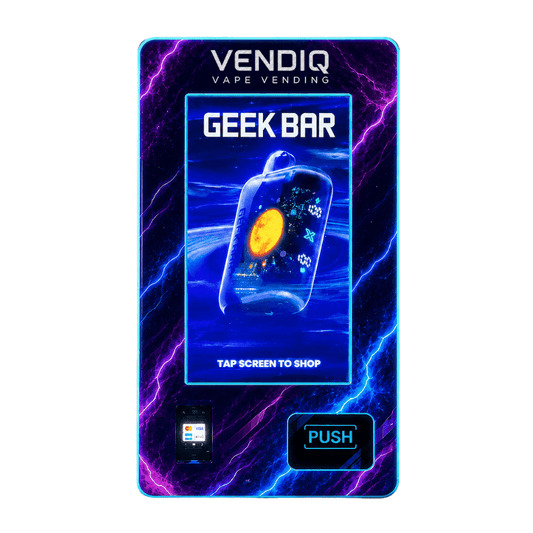
Yes, in most cases you need a license or permit to operate a vape vending machine, but the exact license depends on your state, city, and where the machine is placed. Owning the machine itself usually is not the issue. The licensing requirement usually starts when you stock it with vape products, nicotine products, or other age-restricted items and begin selling to customers.
Vape and zyn vending machines can be a strong business model, especially in bars, clubs, casinos, lounges, and other adult-focused locations. But before you place one, you need to understand how tobacco, vapor, vending, tax, and local licensing rules work.
The Short Answer
Yes, you typically need a license to operate a vape vending machine if it sells vapes, nicotine pouches, e-cigarettes, or other age-restricted products. The exact license depends on your state and city, but most operators need a tobacco or vapor retail permit, a sales tax permit, and sometimes a vending machine permit or location approval. Buying the machine itself usually does not require a license, but selling nicotine products through it does.
In many states, that license may be called a:
* Tobacco retail license
* Vapor product retail permit
* E-cigarette retailer permit
* Tobacco vending machine license
* Sales tax permit
* Local business license
* City or county vending approval
The names change by state, but the idea is the same: if you are selling regulated nicotine products, you usually need permission from the state or local agency before operating.
For example, Texas says retailers who sell, store, or deliver e-cigarette products to consumers must apply for an e-cigarette retailer permit. Pennsylvania lists separate licensing fees for vending machine tobacco sales by location.
Federal Rules Still Apply
Even if your state allows vape vending machines, federal age rules still apply. The FDA says retailers may only sell tobacco products to customers who are 21 or older, and photo ID should be checked for anyone under 30 attempting to buy tobacco products.
The FDA also states that e-cigarettes, e-liquids, and other electronic nicotine delivery system products should not be sold from vending machines in places where anyone under 21 is present or allowed to enter at any time.
That means location matters just as much as the machine itself. A vape vending machine placed in a 21+ bar is very different from one placed in a mixed-age restaurant, mall, or public lobby.
Do You Need a License Just to Buy the Machine?
Usually, no. Buying or owning an empty vape vending machine is generally not what triggers licensing.
The license issue usually begins when you:
* Stock the machine with vape or nicotine products
* Sell products to customers
* Place the machine in a public business
* Collect payment through the machine
* Operate the machine as a retail nicotine business
So if you buy a machine and keep it in storage, that is different from operating it in a bar and selling disposable vapes every night.
Does the Location Need a License Too?
Sometimes yes, sometimes no. This depends heavily on the state.
Some states place the responsibility mainly on the vending machine operator. Other states may require the location itself to be approved, listed on the permit, or connected to the tobacco license. Some areas may require each machine or each placement address to be registered separately.
This is why you should never assume one license covers every location. A machine in one city may be approved, while another city in the same state may have extra rules, zoning limits, or local restrictions.
Does an ID Scanner Replace the Need for a License?
No. An ID scanner can help with age verification, but it does not usually replace the need for a license.
A scanner is a compliance tool. A license is a legal authorization to sell regulated products. You may need both.
An ID scanner may help confirm that the customer is 21+, but state agencies may still care about:
* Whether the machine is in a legal location
* Whether the business has the proper tobacco or vapor permit
* Whether the machine is supervised
* Whether minors can enter the area
* Whether the products are legal to sell in that state
* Whether taxes are being collected and reported properly
What Types of Locations Usually Work Best?
Vape vending machines are usually best suited for adult-only or age-restricted environments.
Common examples include:
* Bars
* Nightclubs
* Casinos
* Private clubs
* Adult-only lounges
* 21+ event venues
* Smoke shops where allowed
* Other restricted-access businesses
The safest placements are locations where customers must already be 21+ to enter. That helps reduce the risk of underage access and makes the location easier to review for approval.
What Licenses Should You Check For?
Before placing a vape vending machine, check for these possible requirements:
1. State Tobacco or Vapor Retail License
This is usually the main license required to sell vape products. Some states treat vapes separately from cigarettes, while others include them under tobacco, nicotine, or vapor product rules.
2. Vending Machine Permit
Some states or cities require a vending-specific permit. This may apply to each machine, each address, or each operator.
3. Sales Tax Permit
If you are collecting money from customers, you may need a sales tax permit and may be responsible for reporting sales tax.
4. Local Business License
Some cities or counties require a general business license before you can operate vending machines in their area.
5. Location Approval
Some states require the exact location to be approved before a machine can operate. This is especially common with age-restricted products.
Can Vape Vending Machines Be Legal?
Yes, vape vending machines can be legal, but they are not a “place anywhere and start selling” type of business.
The best setup is usually:
* A properly licensed operator
* A 21+ location
* Clear approval from the state or local agency
* Reliable age verification
* Legal products for that state
* Proper tax collection
* Clear agreement with the venue owner
The biggest mistake new operators make is buying the machine first, placing it quickly, and checking the rules later. That can lead to fines, forced removal, or rejected licensing.
Who Is Responsible for Fines?
Responsibility depends on the state, the lease agreement, and how the machine is operated. In many cases, the vending machine owner or operator can be responsible because they own the inventory, collect the revenue, and control the machine.
The location could also have risk if they allow an illegal machine on-site or participate in the sale. This is why it is important to have a written agreement that explains who handles licensing, stocking, compliance, service, and any violations.
Simple Checklist Before You Place a Vape Vending Machine
Before installing your machine, confirm:
* Is the location 21+ only?
* Does the state allow vape vending machines?
* Do you need a tobacco, vapor, or e-cigarette retail permit?
* Does each machine need its own registration?
* Does each location need approval?
* Are local city or county rules stricter than state rules?
* Are you collecting and reporting sales tax properly?
* Are the products legal to sell in that state?
* Does the machine have a reliable age verification process?
* Do you have a written agreement with the venue?
Final Answer
In most states, you will need a license to run a vape vending machine because you are selling regulated nicotine products. Requirements may include a tobacco retail license, vapor product permit, vending permit, sales tax permit, or approval for each machine location. An ID scanner can help verify age, but it usually does not replace the required business or tobacco licensing.
The safest route is to place machines only in approved 21+ locations, verify age properly, and confirm licensing before the machine goes live.
Vape vending can be a profitable business, but compliance has to come first. A properly licensed machine in the right location is much easier to scale than one placed quickly without approval.